Study in South Korea
Cutting-edge education, vibrant culture, and global career opportunities
Why Choose South Korea?
Top reasons international students prefer South Korea
Affordable Tuition
Lower tuition fees compared to Western countries with generous scholarships available.
Tech & Innovation Hub
Global leader in technology, electronics, and research with strong industry connections.
Cultural Experience
Vibrant culture, safe environment, and excellent public transportation system.
Top Korean Universities
World-class institutions with global recognition
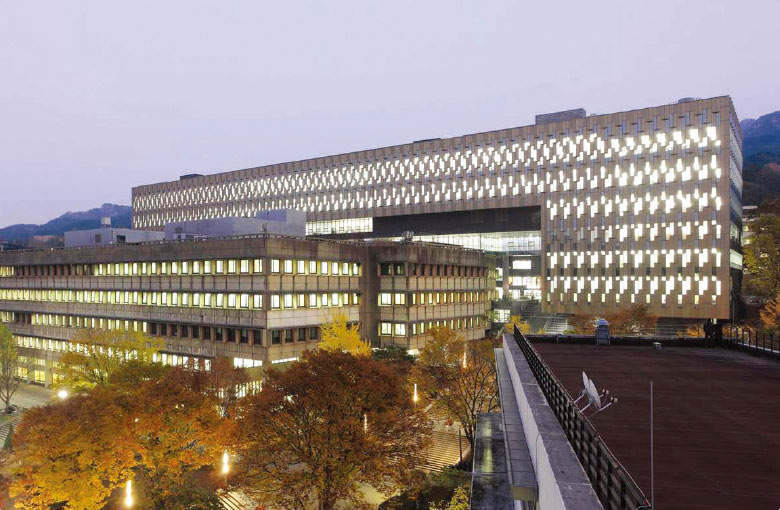
Seoul National University
Ranked #1 in Korea, #29 globally (QS 2024)

KAIST
Ranked #2 in Korea, #39 globally (QS 2024)
Yonsei University
Ranked #3 in Korea, #76 globally (QS 2024)
Korean Education System
Understanding academic structure and options
Undergraduate Programs
- Bachelor's Degree (4 years typically)
- Spring (March) or Fall (September) intake
- Korean or English-taught programs available
- Foundation programs for language preparation
Graduate Programs
- Master's Degree (2 years typically)
- PhD Programs (3-5 years typically)
- Strong research focus with funding opportunities
- Teaching/research assistant positions available
Language Requirements
- English programs: IELTS 5.5-6.5 or TOEFL 80+
- Korean programs: TOPIK level 3-6 required
- Many universities offer Korean language courses
- Korean language skills enhance cultural experience
Popular Programs
Fields with strong industry demand in South Korea
Engineering & Technology
Electrical, Mechanical, Computer, Chemical
Business & Economics
International Business, Finance, MBA
Computer Science
AI, Data Science, Cybersecurity, Software
Korean Studies
Language, Culture, International Relations
Korean Student Visa
Requirements and application process (D-2 Visa)
Key Requirements
University Admission Letter
From a recognized Korean university
Proof of Financial Resources
$10,000-$20,000 in bank statement
Health Insurance
Mandatory National Health Insurance enrollment
Clean Criminal Record
Police clearance certificate required
Application Process
-
1. Receive admission from Korean university
-
2. Prepare documents including financial proof
-
3. Apply for visa at Korean embassy/consulate
-
4. Receive visa typically in 2-4 weeks
-
5. Register at local immigration office after arrival
Work Opportunities After Studies
Working in Korea during and after your studies
During Studies
- Part-time work allowed (20 hrs/week)
- Must obtain work permission from immigration
- No restrictions during vacations
After Graduation
- D-10 Job Seeker Visa (up to 2 years)
- E-7 Work Visa with job offer
- Minimum salary requirements apply
Permanent Residency
- F-2 Residence Visa after 3-5 years
- Korean language proficiency required (TOPIK 3+)
- Point-based system considering salary, skills
Living Costs in South Korea
Estimated monthly expenses (varies by city)
Seoul
- Accommodation $400-$800
- Food $250-$400
- Transport $50-$100
- Other Expenses $200-$300
- Total $900-$1,600
Busan
- Accommodation $300-$600
- Food $200-$350
- Transport $40-$80
- Other Expenses $150-$250
- Total $690-$1,280
Other Cities
- Accommodation $250-$500
- Food $180-$300
- Transport $30-$60
- Other Expenses $120-$200
- Total $580-$1,060
Start Your Korean Education Journey Today
Get personalized guidance from our Korea education experts